


«هل قتل ChatGPT ابنتي؟».. دعوى قضائية تلاحق OpenAI بعد هجوم مسلح على مدرسة كندية – أخبار السعودية

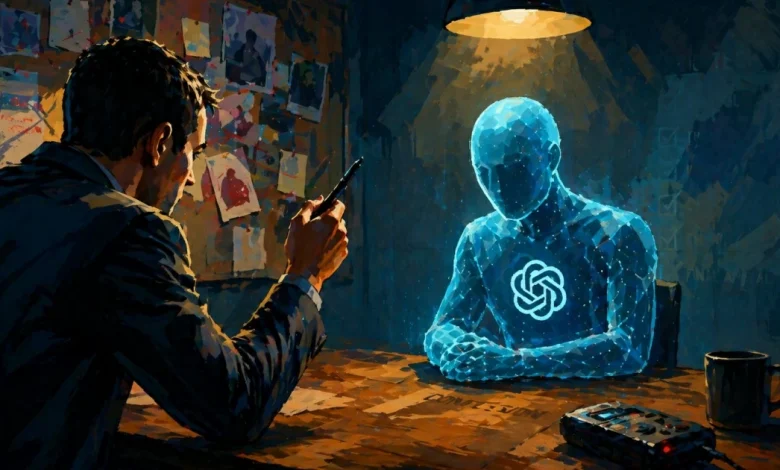
في خطوة قانونية عابرة للحدود، تحولت مأساة إطلاق نار داخل مدرسة كندية إلى معركة قانونية وصلت تداعياتها إلى داخل الولايات المتجدة، واضعة شركة OpenAI والذكاء الاصطناعي في قلب الاتهام بالمسؤولية عن أرواح البشر.
تعود جذور القضية إلى حادثة مروعة وقعت داخل مدرسة في بلدة «تامبلر ريدج» بمقاطعة كولومبيا البريطانية، حيث أصيبت الطفلة مايا جيبالا (12 عاماً) بجروح خطيرة، ضمن هجوم هز المجتمع المحلي وخلّف صدمة وطنية واسعة.
لكن المفاجأة الكبرى لم تكن في الحادثة ذاتها، بل فيما كشفته التحقيقات لاحقاً. فقد قررت عائلات الضحايا نقل المعركة إلى المحاكم الأمريكية، متهمة الشركة المطوّرة لتطبيق ChatGPT بالفشل الذريع في التحذير من «تفاعلات مقلقة» جرت بين المهاجم وروبوت الدردشة قبل وقوع المجزرة.
اتهامات بالقتل الخطأ
الدعوى التي يقودها المحامي جاي إيدلسون، لا تقتصر على تهمة الإهمال، بل تمتد لتشمل:
- القتل الخطأ: نتيجة عدم إبلاغ السلطات بسلوك المهاجم العنيف عبر الإنترنت.
- عيوب التصميم: اتهام النظام بأنه قدّم دعماً أو تشجيعاً غير مباشر للمهاجم.
ووصف إيدلسون ما جرى بأنه «دمار لمجتمع كامل»، مؤكداً أن التكنولوجيا لم تعد مجرد أداة، بل أصبحت طرفاً شريكاً في المسؤولية إذا فشلت في كبح جماح العنف.
في المقابل، جاء رد المدير التنفيذي لشركة OpenAI سام ألتمان، عبر رسالة اعتذار رسمية وُجّهت إلى أهالي الضحايا، أقر فيها بمرارة بعدم إبلاغ السلطات عن التفاعلات المشبوهة للمهاجم، وهو ما اعتبره قانونيون بمثابة «اعتراف ضمني» قد يغير مسار القضية تماماً.
ولا تتعلق هذه القضية بحادثة فردية، بل تطرح سؤالاً حاسماً سيعيد تعريف علاقة الإنسان بالتكنولوجيا في عام 2026: هل يمكن تحميل الذكاء الاصطناعي مسؤولية ما يفعله البشر؟
قد تشكّل هذه المحاكمة ومثيلاتها أساساً قانونياً يُجبر شركات التكنولوجيا على فرض رقابة صارمة وغير مسبوقة على محادثات ملايين المستخدمين، مما يضع مفهوم الخصوصية في مواجهة مباشرة مع الأمن العام.
In a cross-border legal move, the tragedy of a school shooting in Canada has turned into a legal battle whose repercussions have reached the United States, placing OpenAI and artificial intelligence at the center of accusations of responsibility for human lives.
The roots of the case trace back to a horrific incident that occurred inside a school in the town of “Tumbler Ridge” in British Columbia, where 12-year-old Maya Gibala was seriously injured in an attack that shook the local community and left a wide national shock.
However, the biggest surprise was not the incident itself, but what the investigations later revealed. The families of the victims decided to take the battle to U.S. courts, accusing the developer of the ChatGPT application of a catastrophic failure to warn about “concerning interactions” that took place between the attacker and the chatbot before the massacre occurred.
Charges of Negligent Homicide
The lawsuit, led by attorney Jay Edelson, does not only involve a charge of negligence but extends to include:
- Negligent homicide: due to the failure to inform authorities about the attacker’s violent online behavior.
- Design defects: accusing the system of providing indirect support or encouragement to the attacker.
Edelson described what happened as “the destruction of an entire community,” emphasizing that technology is no longer just a tool but has become a partner in responsibility if it fails to curb violence.
In response, OpenAI’s CEO Sam Altman issued an official apology letter directed to the victims’ families, acknowledging with bitterness the failure to report the attacker’s suspicious interactions, which legal experts considered an “implicit admission” that could completely change the course of the case.
This case does not pertain to an isolated incident but raises a critical question that will redefine the relationship between humans and technology in 2026: Can artificial intelligence be held responsible for what humans do?
This trial and similar ones may establish a legal foundation that forces technology companies to impose unprecedented strict oversight on the conversations of millions of users, placing the concept of privacy in direct confrontation with public safety.