


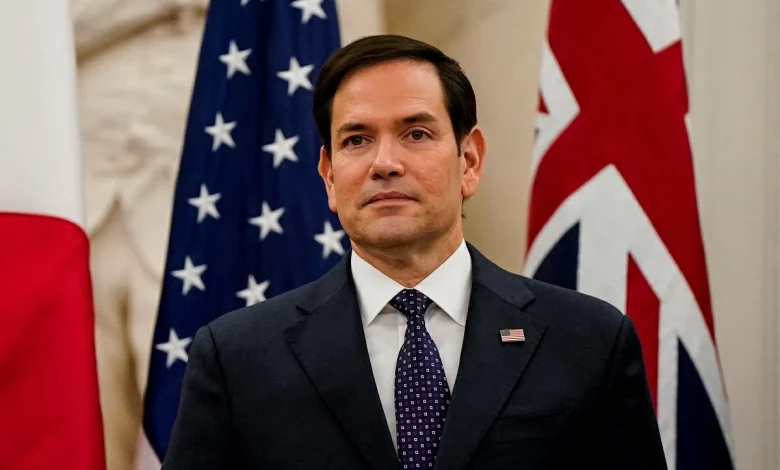
دعا وزير الخارجية الأمريكي ماركو روبيو اليوم (الثلاثاء)، إيران إلى الجلوس على طاولة المفاوضات وقبول الشروط الموضوعة، مؤكداً أن المبعوثين الأمريكيين ستيف ويتكوف وجاريد كوشنر يقودان جهوداً دبلوماسية مكثفة.
وقال روبيو في مؤتمر صحفي إن ويتكوف وكوشنر يعملان بجد على المسار الدبلوماسي، موضحاً أن 10 بحارة مدنيين لقوا حتفهم جراء النزاع الدائر في مضيق هرمز.
وأشار وزير الخارجية الأمريكي إلى أن بلاده تقترح قراراً في مجلس الأمن الدولي للدفاع عن حرية الملاحة وتأمين مضيق هرمز، مبيناً أن الولايات المتحدة صاغت بتوجيه من الرئيس دونالد ترمب وبالتعاون مع السعودية والبحرين وقطر والإمارات والكويت، مشروع قرار رداً على مواصلة إيران تهديداتها بمهاجمة السفن وزرع الألغام البحرية ومحاولات فرض رسوم عبور في المضيق.
ولفت إلى أن مشروع القرار ينص على إلزام إيران بوقف الهجمات وعمليات زرع الألغام وفرض الرسوم، كما يطالبها بالكشف عن عدد ومواقع الألغام التي زرعتها والتعاون في إزالتها، إضافة إلى دعم إنشاء ممر إنساني.
وذكر روبيو أن الولايات المتحدة تتطلع إلى طرح مشروع القرار للتصويت خلال الأيام القادمة، سعياً للحصول على دعم أعضاء مجلس الأمن والدول الراعية، موضحاً أن الولايات المتحدة ستواصل استهداف المسيّرات والزوارق التي تشكل تهديداً لقواتها.
وأشار إلى أن القوات الأمريكية دمرت 7 زوارق إيرانية سريعة في المضيق، لافتاً إلى أن واشنطن تنشر أصولاً إضافية لتوسيع نطاق المظلة الدفاعية للملاحة التجارية واستعادة حرية الملاحة في المنطقة.
وشدد روبيو على أن الولايات المتحدة ستستمر في تأمين مضيق هرمز لضمان استعادة حرية الملاحة الدولية.
في المقابل، نقلت وسائل إعلام إيرانية عن الرئيس مسعود بزشكيان قوله خلال اتصال مع رئيس الوزراء العراقي المكلف علي الزيدي، اليوم، إن مطالب الولايات المتحدة غير واقعية.
وأشار بزشكيان إلى أن المشكلة تكمن في أن الولايات المتحدة تنتهج سياسة الضغوط القصوى ضد بلاده وتتوقع في الوقت نفسه أن تجلس إيران إلى طاولة المفاوضات وأن تخضع في النهاية لمطالبها الأحادية، وهو أمر مستحيل.
U.S. Secretary of State Marco Rubio called on Iran today (Tuesday) to sit at the negotiating table and accept the set conditions, emphasizing that U.S. envoys Steve Wittekov and Jared Kushner are leading intensive diplomatic efforts.
Rubio stated in a press conference that Wittekov and Kushner are working diligently on the diplomatic track, clarifying that 10 civilian sailors have lost their lives due to the ongoing conflict in the Strait of Hormuz.
The U.S. Secretary of State indicated that his country is proposing a resolution in the United Nations Security Council to defend freedom of navigation and secure the Strait of Hormuz, noting that the United States has drafted, under the direction of President Donald Trump and in cooperation with Saudi Arabia, Bahrain, Qatar, the UAE, and Kuwait, a draft resolution in response to Iran’s continued threats to attack ships, plant naval mines, and impose transit fees in the strait.
He pointed out that the draft resolution stipulates that Iran must cease attacks and mine-laying operations and the imposition of fees, as well as demands that it disclose the number and locations of the mines it has planted and cooperate in their removal, in addition to supporting the establishment of a humanitarian corridor.
Rubio mentioned that the United States looks forward to presenting the draft resolution for a vote in the coming days, seeking to gain the support of Security Council members and sponsoring countries, clarifying that the United States will continue to target drones and boats that pose a threat to its forces.
He noted that U.S. forces have destroyed 7 Iranian fast boats in the strait, emphasizing that Washington is deploying additional assets to expand the defensive umbrella for commercial navigation and restore freedom of navigation in the region.
Rubio stressed that the United States will continue to secure the Strait of Hormuz to ensure the restoration of international navigation freedom.
In contrast, Iranian media reported President Masoud Bezhakian as saying during a call with Iraqi Prime Minister-designate Ali Al-Zaydi today that U.S. demands are unrealistic.
Bezhakian pointed out that the problem lies in the fact that the United States is pursuing a policy of maximum pressure against his country while simultaneously expecting Iran to sit at the negotiating table and ultimately submit to its unilateral demands, which is impossible.
