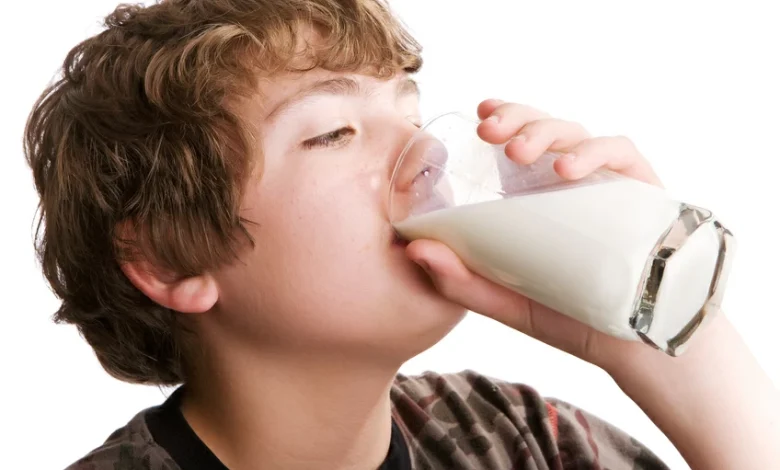
بعد موجة من الجدل والتشكيك التي اجتاحت منصات الإنترنت حول تأثير الحليب على صحة العظام، خرج أطباء ومتخصصون في جراحة العظام لتوضيح الصورة وحسم واحدة من أكثر المعتقدات الصحية انتشارًا: هل يمكن أن يؤدي الإفراط في شرب الحليب إلى الإصابة بهشاشة العظام؟.
على مدار عقود، اعتُبر كوب الحليب عنصرًا أساسيًا على موائد الإفطار ورمزًا للحفاظ على قوة العظام والوقاية من الكسور. إلا أن انتشار نظريات عبر الإنترنت أخيرا أثار مخاوف البعض، بعد ادعاءات تزعم أن الاستهلاك المفرط للحليب قد يؤدي إلى نتيجة عكسية ويزيد خطر هشاشة العظام.
لكن أطباء العظام يؤكدون أن هذه المخاوف لا تستند إلى أدلة علمية قوية، مشددين على أن تناول الحليب باعتدال لا يضر بصحة العظام، بل يدعمها ضمن نمط حياة متوازن.
شائعة فرضية «الحمضية»
يرجع جزء كبير من الجدل إلى ما يُعرف بـ«فرضية الرماد الحمضي»، وهي نظرية تفترض أن تناول كميات كبيرة من منتجات الألبان واللحوم يزيد من حموضة الجسم، ما يدفعه إلى سحب الكالسيوم من العظام لمعادلة تلك الحموضة.
وبحسب موقع Hindustan Times، أوضح استشاري جراحة العظام بمستشفى إس إل راهيجا في مومباي الدكتور فايبهاف كاسوديكار، أن هذه الفرضية لم تعد مدعومة علميًا، مؤكدًا أن الدراسات الحديثة أثبتت أن البروتين الغذائي – خصوصًا عند دمجه بكميات مناسبة من الكالسيوم – يساهم في تقوية العظام وتقليل خطر الكسور مع التقدم في العمر.
وأشار إلى أنه لا توجد حتى الآن أي أدلة علمية تثبت أن تناول الحليب بكميات معتدلة أو حتى مرتفعة يزيد احتمالات الإصابة بهشاشة العظام.
الأدلة العلمية تنفي العلاقة
من جانبه، أكد استشاري جراحة العظام بمستشفى ساهايادري التخصصي في مدينة بيون الدكتور نيخيل جادهاف، أن الفرضيات التي تربط بين الإفراط في الحليب وفقدان المعادن من العظام ما تزال ضعيفة من الناحية العلمية.
وأوضح أن الأبحاث الحالية تُظهر إما علاقة محايدة أو تأثيرًا إيجابيًا بين استهلاك منتجات الألبان بكميات معتدلة وكثافة المعادن داخل العظام.
ما الأسباب الحقيقية لهشاشة العظام؟
بدلًا من تحميل الحليب المسؤولية، أوضح الأطباء أن هشاشة العظام مرض معقد ينتج عن مجموعة من العوامل الوراثية والبيولوجية والسلوكية.
ومن أبرز عوامل الخطر: التقدم في العمر، التغيرات الهرمونية، خصوصا بعد انقطاع الطمث لدى النساء، نقص فيتامين «د»، قلة النشاط البدني، التدخين، سوء التغذية، والإفراط في تناول الكحول.
وأكد الأطباء أن الكالسيوم عنصر مهم، لكنه ليس العامل الوحيد المسؤول عن قوة العظام.
لماذا يُعد الحليب مفيدًا للعظام؟
بحسب الخبراء، يحتوي الحليب على عناصر غذائية أساسية تلعب دورًا مباشرًا في تكوين العظام، أبرزها: الكالسيوم، البروتين، الفوسفور، فيتامين «د» (في الأنواع المدعمة).
وأشار الدكتور جادهاف إلى أن الحصول على كميات كافية من الكالسيوم خلال الطفولة والمراهقة وسنوات البلوغ يساعد على بناء أعلى كتلة عظمية ممكنة، وهو ما ينعكس إيجابًا على صحة العظام لاحقًا.
كما وصف الدكتور كاسوديكار الحليب بأنه لا يزال من أكثر المصادر كفاءة للحصول على الكالسيوم والبروتينات والمعادن الضرورية لتمعدن العظام.
متى يصبح الإفراط في الحليب مشكلة؟
رغم نفي ارتباط الحليب بهشاشة العظام، حذر الأطباء من الاعتماد المفرط عليه أو استهلاكه بصورة غير متوازنة.
وأوضحوا أن المشكلة لا تكمن في الحليب نفسه، وإنما في أن الإفراط في أي نوع من الطعام قد يؤدي إلى نظام غذائي غير متكامل، كما أن زيادة استهلاك الحليب قد ترتبط ببعض المشكلات مثل: اضطرابات الهضم، الإفراط في السعرات الحرارية، إهمال مصادر غذائية أخرى ضرورية للجسم.
بدائل لمن يعانون من عدم تحمل اللاكتوز
لفت الخبراء أيضًا إلى أن بعض الأشخاص لا يستطيعون تناول الحليب بسبب عدم تحمل اللاكتوز أو الحساسية تجاه مكونات الألبان.
وفي هذه الحالات، يمكن تعويض الكالسيوم من مصادر أخرى مثل: الحليب النباتي المدعم، حبوب الراجي، التوفو، والخضراوات الورقية الخضراء.
After a wave of controversy and skepticism that swept across the internet regarding the impact of milk on bone health, doctors and orthopedic specialists have stepped forward to clarify the situation and settle one of the most widespread health beliefs: Can excessive milk consumption lead to osteoporosis?
For decades, a glass of milk has been considered a staple at breakfast tables and a symbol of maintaining strong bones and preventing fractures. However, the recent spread of theories online has raised concerns among some, following claims that excessive milk consumption may have the opposite effect and increase the risk of osteoporosis.
But orthopedic doctors emphasize that these concerns are not based on strong scientific evidence, stressing that moderate milk consumption does not harm bone health, but rather supports it as part of a balanced lifestyle.
The Acidic Hypothesis Rumor
A significant part of the controversy stems from what is known as the “acid ash hypothesis,” which is a theory suggesting that consuming large amounts of dairy products and meats increases the body’s acidity, prompting it to draw calcium from the bones to neutralize that acidity.
According to the Hindustan Times, Dr. Vaibhav Kasodikar, an orthopedic consultant at SL Raheja Hospital in Mumbai, clarified that this hypothesis is no longer scientifically supported, confirming that recent studies have shown that dietary protein—especially when combined with appropriate amounts of calcium—contributes to strengthening bones and reducing fracture risk as one ages.
He pointed out that there is currently no scientific evidence proving that moderate or even high milk consumption increases the likelihood of developing osteoporosis.
Scientific Evidence Denies the Relationship
For his part, Dr. Nikhil Jadhav, an orthopedic consultant at Sahyadri Specialty Hospital in Pune, confirmed that the hypotheses linking excessive milk consumption to mineral loss from bones remain weak scientifically.
He explained that current research shows either a neutral relationship or a positive effect between moderate dairy consumption and bone mineral density.
What are the real causes of osteoporosis?
Instead of blaming milk, doctors clarified that osteoporosis is a complex disease resulting from a combination of genetic, biological, and behavioral factors.
Some of the most significant risk factors include aging, hormonal changes—especially after menopause in women, vitamin D deficiency, lack of physical activity, smoking, poor nutrition, and excessive alcohol consumption.
Doctors confirmed that calcium is an important element, but it is not the only factor responsible for bone strength.
Why is milk beneficial for bones?
According to experts, milk contains essential nutrients that play a direct role in bone formation, most notably: calcium, protein, phosphorus, and vitamin D (in fortified varieties).
Dr. Jadhav pointed out that obtaining adequate amounts of calcium during childhood, adolescence, and growth years helps build the highest possible bone mass, which positively reflects on bone health later on.
Dr. Kasodikar described milk as still one of the most efficient sources for obtaining calcium, proteins, and minerals necessary for bone mineralization.
When does excessive milk consumption become a problem?
Despite denying the link between milk and osteoporosis, doctors warned against over-reliance on it or consuming it in an unbalanced manner.
They explained that the problem does not lie with milk itself, but rather in the fact that excessive consumption of any type of food may lead to an incomplete diet, and that increased milk consumption may be associated with some issues such as: digestive disorders, excessive calorie intake, and neglecting other essential food sources for the body.
Alternatives for Those with Lactose Intolerance
Experts also pointed out that some individuals cannot consume milk due to lactose intolerance or allergies to dairy components.
In such cases, calcium can be compensated from other sources such as: fortified plant-based milk, fortified cereals, tofu, and leafy green vegetables.